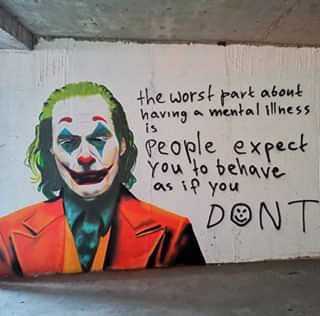
When Penny Fleek, in the movie Joker, said “The worst part about having a mental illness is people expect you to behave as if you don’t,” caused a tremendous breakdown and self-realization among people who felt the same way too. Yes, it’s true. Mental Health is very rampant in today’s society because people are more exposed of the harsh realities in life. The problem that arise with regards this issue is that, people tend to neglect what other people have been through just because they had it easy with their own. It is how we deal with mental health that becomes very hard to manipulate especially when we’re battling our own thoughts with no one to vent out to.
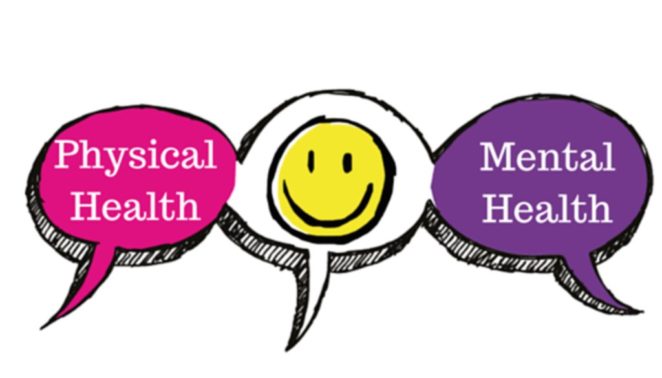
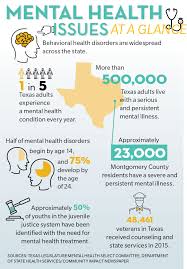
In many ways, mental health is just like physical health: everybody has it and we need to take care of it. Mental health problems affect around one in four people in any given year. They range from common problems, such as depression and anxiety, to rarer problems such as schizophrenia and bipolar disorder. Good mental health means being generally able to think, feel, and react in the ways that you need and want to live your life. But if you go through a period of poor mental health, you might find the ways you’re frequently thinking, feeling or reacting become difficult, or even impossible to cope with. This can feel just as bad as a physical illness, or worse.
Sometimes it will seem obvious when someone is going through a hard time, but there is no simple way of knowing if they have a mental health problem. Sometimes you don’t need to know. It’s more important to respond sensitively to someone who seems troubled than to find out whether or not they have a diagnosis. Everyone have experience going through tough times and people help us through them. Other times we have been worried about other people’s mental health. Whether they are a friend, family member or colleague, there are many ways to support somebody you care about. People with mental health problems sometimes experience a crisis, such as breaking down in tears, having a panic attack, feeling suicidal, or experiencing their own or a different reality. People who have mental health problems also get the view that suicide is the only answer to solve all their problems. Mental health issues do not get better on their own. The longer an illness persists, the more difficult it can be to treat and recover. Untreated mental illness can lead to more serious health problems. Mental Health Issues can make it difficult to cope with everyday life. It can inhibit your ability to keep a job and interact with others. To be clear, mental Health Issues does not lead to violent behavior. Mental Health Issues makes it difficult to conform in society, which can lead to inappropriate behavior or misconstrued actions.
“You deserve to be happy. You deserve to live a life that lights you up. Don’t ever forget that.”
We, the group 2 from St. Sebastian, is an expert of criticizing or observing other people’s actions and draws a conclusion out of it. Just like what any other usual people do, we tend to over criticize or judge others more than necessary. With that being said, the group brainstormed about social issues in today’s society and arrived at a consensus of addressing the issue of Mental Health.
Problem / Social issue
When Penny Fleek, in the movie Joker, said “The worst part about having a mental illness is people expect you to behave as if you don’t,” caused a tremendous breakdown and self-realization among people who felt the same way too. Yes, it’s true. Mental Health is very rampant in today’s society because people are more exposed of the harsh realities in life. The problem that arise with regards this issue is that, people tend to neglect what other people have been through just because they had it easy with their own. It is how we deal with mental health that becomes very hard to manipulate especially when we’re battling our own thoughts with no one to vent out to.
In many ways, mental health is just like physical health: everybody has it and we need to take care of it. Mental health problems affect around one in four people in any given year. They range from common problems, such as depression and anxiety, to rarer problems such as schizophrenia and bipolar disorder. Good mental health means being generally able to think, feel, and react in the ways that you need and want to live your life. But if you go through a period of poor mental health, you might find the ways you’re frequently thinking, feeling or reacting become difficult, or even impossible to cope with. This can feel just as bad as a physical illness, or worse.
Sometimes it will seem obvious when someone is going through a hard time, but there is no simple way of knowing if they have a mental health problem. Sometimes you don’t need to know. It’s more important to respond sensitively to someone who seems troubled than to find out whether or not they have a diagnosis. Everyone have experience going through tough times and people help us through them. Other times we have been worried about other people’s mental health. Whether they are a friend, family member or colleague, there are many ways to support somebody you care about. People with mental health problems sometimes experience a crisis, such as breaking down in tears, having a panic attack, feeling suicidal, or experiencing their own or a different reality. People who have mental health problems also get the view that suicide is the only answer to solve all their problems. Mental health issues do not get better on their own. The longer an illness persists, the more difficult it can be to treat and recover. Untreated mental illness can lead to more serious health problems. Mental Health Issues can make it difficult to cope with everyday life. It can inhibit your ability to keep a job and interact with others. To be clear, mental Health Issues does not lead to violent behavior. Mental Health Issues makes it difficult to conform in society, which can lead to inappropriate behavior or misconstrued actions.
Solution
Like what is said in the problem mental health is similar to physical health so we should also take care of our mental health. Therefore, our group suggest the following:
Do not pressure yourself. Relax, and do your thing at your own pace.
Give yourself some time to rest / cool off.
Go for a vacation sometimes.
Take a deep breath, try different breathing techniques.
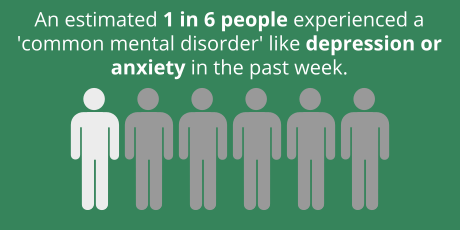
As found by the APMS (2014), 1 in 6 people in a group experienced a common mental health problem. Anxiety and depression are the most common problems, with around 1 in 10 people affected at any one time.
Anxiety and depression can be severe and long-lasting and have a big impact on people’s ability to get on with life. Between one and two in every 100 people experience a severe mental illness, such as bi-polar disorder or schizophrenia, and have periods when they lose touch with reality.
People affected may hear voices, see things no one else sees, hold unusual or irrational beliefs, feel unrealistically powerful, or read particular meanings into everyday events.
The Philippines have a National Mental Health Policy (Administrative Order # 8 s.2001) signed by then Secretary of Health Manuel M. Dayrit. There is no mental health legislation and the laws that govern the provision of mental health services are contained in various parts of promulgated laws such as Penal Code, Magna Carta for Disabled Person, Family Code, and the Dangerous Drug Act, etc. The World Health Organization has collected information about the situation of the mental health system in the Philippines. The goal of the collection of information is to provide somewhat a guideline as to what parts of the mental health system that the PH government has to improve.
In 2019, National Center for Mental Health opened a crisis hotline in order to assist people with health concerns. According to Duque, “The hotline aims to send a message to those with mental health issues that they are not alone. It’s okay to not be okay…. There is hope. Recovery is possible and there should be no shame in getting help.” The crisis hotline is also for individuals needing mental health assistance related to issues such as gender identity and sexual orientation, school and career, domestic abuse, sexual abuse, and violence against women and children, among others.
Like what is said in the problem mental health is similar to physical health so we should also take care of our mental health. Therefore, our group suggest the following:
Do not pressure yourself. Relax, and do your thing at your own pace.
Give yourself some time to rest / cool off.
Go for a vacation sometimes.
Take a deep breath, try different breathing techniques.
 Mental Health